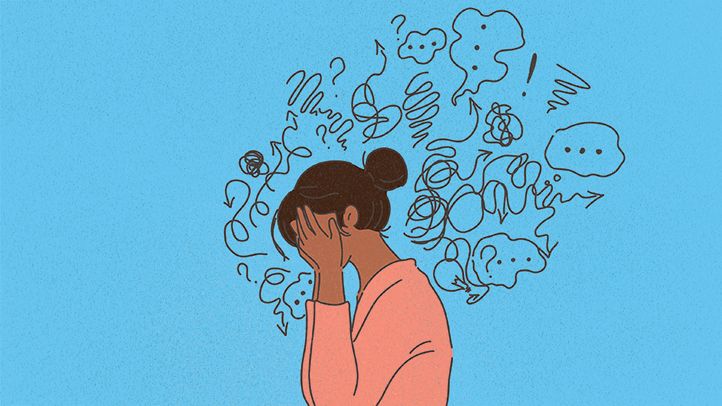
Mental disorders, Mental illness, Mental Health conditions – if you use Dr. Google, those are all the current terms to describe the invisible illness in people’s brains. I have them, and I don’t even know the proper term. I think it is because we lump them all together. I have anxiety, depression, and PTSD. It’s like when someone says they have diabetes, it could be type 1 or type 2. It fascinates me the stigma that comes with mental disorders. If you had another illness like a cold, cancer, or lupus, would you be afraid to share that information with your boss, friends, or loved ones? Most people with mental disorders suffer in silence. They feel ashamed and alone. I know I did.
As I mentioned in my first blog, I prepared for worst-case scenarios like it was my job. Some of those skills might serve me well if I am ever carjacked or a burglar comes to my house. I know what to do. For the burglar in the house, I know to lock myself in my master bathroom and call 911 (this is real advice that I read. That bathroom is usually one of the farthest rooms from the entrance to your home and requires multiple doors to get through.). I didn’t know this was a kind of hypervigilance. I am also the person that screams at her husband when he says my name because it scares me. I am also the person that people think is hilarious to scare. (FYI, when it comes to fight or flight, I fight. I have punched people that have scared me.)
When you first tell people you are worried and are preparing for the worst-case outcome of every situation, the usual response is, “you worry too much,” “stop worrying,” etc. None of that is helpful. All it used to do was make me stop sharing my worries with people. When I first tried therapy as an adult, I mentioned that I always planned for the worst-case scenario. She had me try an exercise of letting my mind delve into the worst case for 5 minutes and then stop. It helped me. I would allow myself to imagine everything that could go wrong for 5 minutes, then ask how realistic it was (it never was), and then move on. This exercise helped, but I realized what would help me more is talking to others about these worries and having them provide reassurance. That is the scary part and often leads to the above comments.
For every ache I ever had, Dr. Google told me death was imminent. When I got diagnosed with high bp in my early thirties, that gave me more fuel for my ever-present worry that death was around the corner. The paramedics told me I could have had a stroke or heart attack from high blood pressure. So I was dying, plain and simple, anytime my numbers were out of wack. I later learned this is untrue and that it often takes years of untreated high blood pressure to cause symptoms. The paramedics gave me a new arsenal in my anxiety-fueled worry. They told me and they were professionals. I must stay vigilant. The doctors encouraged me to measure my blood pressure, so I did. I wrote down every number, the time, and what I felt like. I was obsessed with my blood pressure. I was not going to let my blood pressure get me. I also felt so alone. My mom told me not to say my fears out loud because the devil would make them true. My friends told me not to worry, mostly cause they didn’t understand. I went through this cycle for a decade. Every shoulder ache was a heart attack. Every headache was a stroke. I would pull out my toolkit, Dr. Google, blood pressure cuff, and pulse oximeter and sit in the panic consuming me.
That doctor I mentioned in my first blog saved me and gave me a life back I did not know I was missing. Now every ache isn’t a death sentence. I don’t have a toolkit anymore, and Dr. Google has retired. I still get nervous telling people about my disorders. When you tell people you have anxiety, they often think it is worrying too much. It’s so much more than that. It is a disease that isolates you, and treatment – the medications are usually covered by insurance – is expensive. Therapy is costly and, at times, not covered by insurance. There is still a stigma for those of us that need medication and therapy to control our disorders. I am not cured, and I most likely won’t ever be cured, but I can manage my life and anxieties to a point. However, there are days when I still have pain in my chest and need reassurance, and there are times when my anxiety shows up at work. It leads me to believe I am not good at my job and no one likes me. If I reach one person with my stories and they feel less alone, then writing this blog has been worth it. I understand, I am here, and you are not alone.
 The State of My Mind
Leave a comment